

[Fertilizer Pneumatic Conveying: A Material Handling Solution to Overcome Distance Limitations]
Efficient material handling is a critical factor in modern agricultural operations, particularly when dealing with bulk materials like fertilizers. Traditional methods often face limitations in terms of distance and operational flexibility. This is where pneumatic conveying systems emerge as a highly effective solution, enabling the transport of bulk materials over long distances with enhanced efficiency and reliability.
Understanding Pneumatic Conveying for Fertilizer Transport
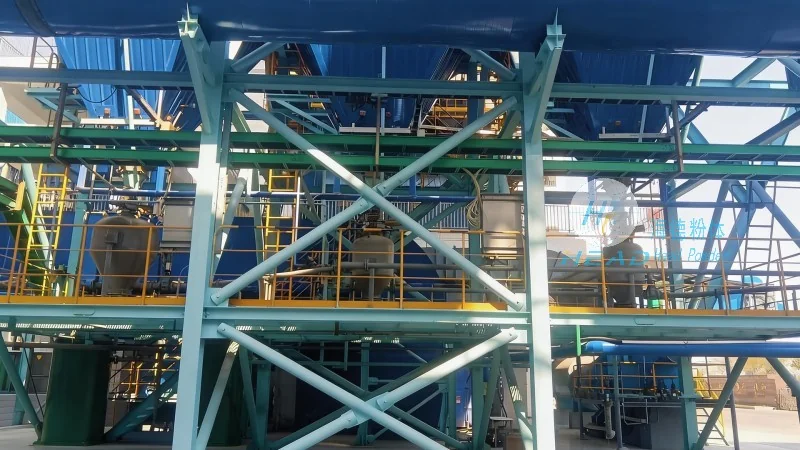
Pneumatic conveying, also known as air conveying, utilizes a combination of air and pressure to move bulk materials through a pipeline system. This method is particularly advantageous for transporting fertilizers, as it offers a dust-free, hygienic, and low-maintenance approach compared to traditional methods like belt conveyors or trucks. The system typically consists of a hopper, a blower or compressor, and a pipeline network that directs the material from the source to the destination. By using air as the conveying medium, the system can transport materials over significant distances without the need for intermediate storage or manual handling, thereby reducing operational costs and improving overall productivity.
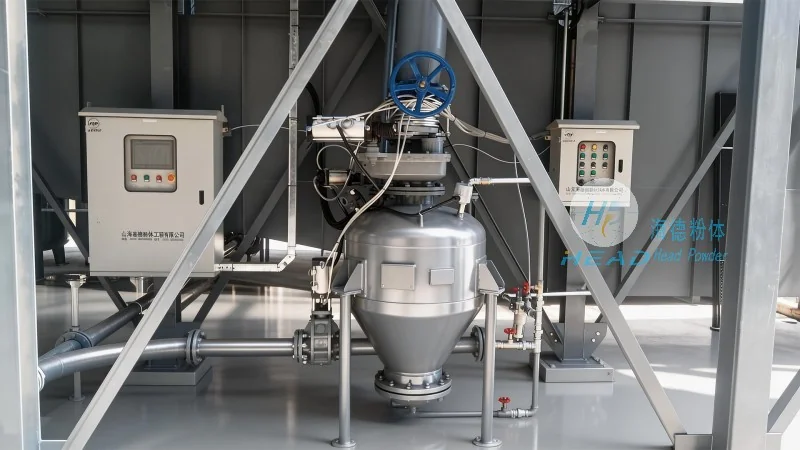
Overcoming Distance Limitations with Advanced Pneumatic Solutions
One of the key benefits of pneumatic conveying systems is their ability to overcome distance limitations that traditional transport methods often encounter. Unlike belt conveyors, which may require multiple transfer points and complex infrastructure for long-distance transport, pneumatic systems can handle distances ranging from a few meters to several kilometers with minimal loss in efficiency. This capability is especially valuable in large-scale agricultural facilities or industrial plants where fertilizers need to be moved from storage areas to processing units or distribution points. The flexibility of pneumatic conveying allows for the integration of multiple delivery points or the re-routing of material flow as per operational needs, providing a versatile solution that adapts to changing production requirements.
HeadPowder Engineering: Expertise in Fertilizer Pneumatic Conveying
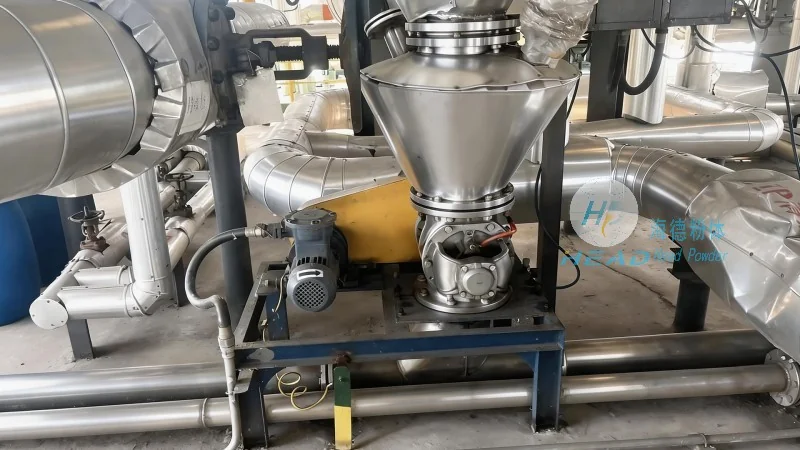
Shandong HeadPowder Engineering Co., Ltd., a leading provider in the field, specializes in designing and implementing advanced pneumatic conveying systems tailored to the unique needs of fertilizer handling. With years of experience in the industry, HeadPowder has developed a comprehensive range of solutions that address the specific challenges faced by agricultural and industrial clients. The company's expertise lies in understanding the material characteristics of different fertilizers—such as granular, powdered, or liquid forms—and designing systems that optimize flow, minimize material degradation, and ensure compliance with safety and environmental standards.
Key Features and Benefits of HeadPowder's Pneumatic Conveying Systems
HeadPowder's pneumatic conveying systems are equipped with several key features that enhance performance and reliability. These include high-efficiency blowers or compressors that ensure consistent air pressure and flow, robust pipeline materials resistant to corrosion and abrasion, and advanced control systems that allow for real-time monitoring and adjustment of the conveying process. The systems are designed to handle various fertilizer types, including nitrogen-based, phosphorus-based, and potassium-based fertilizers, as well as mixed or blended products. By leveraging these features, HeadPowder's solutions offer significant benefits such as reduced downtime, lower maintenance costs, and improved material handling efficiency. Additionally, the dust-free operation of pneumatic systems contributes to a safer working environment and compliance with environmental regulations, making them an ideal choice for modern agricultural and industrial applications.
Customized Solutions for Diverse Operational Needs
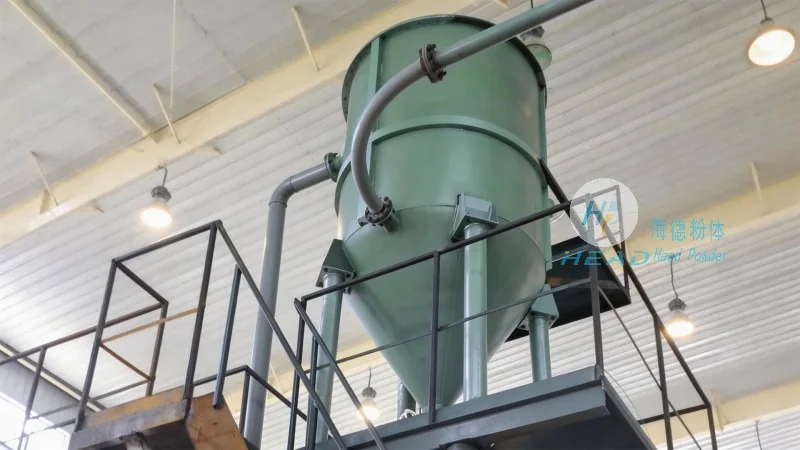
Recognizing that each client's operational needs vary, HeadPowder offers customized pneumatic conveying solutions that are tailored to specific requirements. Whether the goal is to transport fertilizers over long distances, integrate with existing infrastructure, or enhance overall operational efficiency, the company works closely with clients to understand their unique challenges and develop a solution that meets their exact specifications. The design process involves detailed analysis of material properties, operational parameters, and site conditions to ensure that the final system is optimized for performance and longevity. This customized approach ensures that clients receive a system that not only meets their current needs but also accommodates future expansion or changes in production processes.
Conclusion: Enhancing Efficiency and Reliability in Fertilizer Handling
In conclusion, pneumatic conveying systems represent a significant advancement in material handling technology, particularly for the fertilizer industry. By overcoming distance limitations and offering enhanced efficiency, these systems provide a reliable solution for transporting bulk materials. With expertise and experience in the field, Shandong HeadPowder Engineering Co., Ltd. continues to lead in the development and implementation of advanced pneumatic conveying solutions that meet the evolving needs of agricultural and industrial clients. The combination of technical innovation and customer-centric approach ensures that HeadPowder's systems deliver long-term value, contributing to improved operational efficiency and sustainability in fertilizer handling processes.