

השוואת שיטות העברת חלקיקי עץ נפוצות: יתרונות וחסרונות
לצורך שימושים תעשייתיים עם חלקיקי עץ, בחירת שיטת העברה מתאימה היא קריטית לביצוע יעיל, יעילות כלכלית ובטיחות פעולה. כספאייה מובילה בתחום, חברת Shandong HeadPowder Engineering Co., Ltd. מתמחה במתן פתרונות מותאמים שמטפלים בקשיים הייחודיים של טיפול בעץ. מאמר זה מציג השוואה מפורטת של שיטות עברת חלקיקי עץ נפוצות, והדגישה את יתרונותיהם וחסרונותיהם כדי לסייע לתעשיות לקבל החלטות מושכלות.
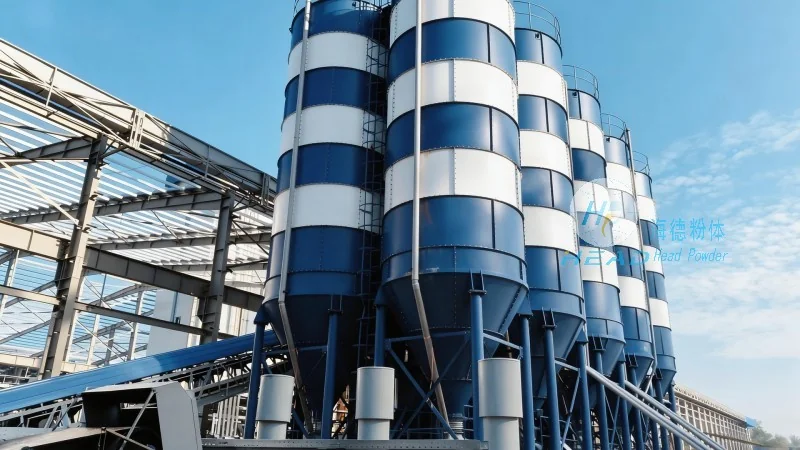
משוטים להעברה: הבחירה המסורתית להעברה אופקית ונטייה קלה
משוטים להעברה, המכונים גם משוטי סיבוב, הם פתרון קלאסי להעברת חלקיקי עץ באופן אופקי או בנטייה קלה. מערכות אלו כוללות משוט מסתובב בתוך תעלה, שמושך החומר קדימה כשהוא מסתובב. היתרון העיקרי של משוטים להעברה הוא פשטותם ואמינותם. הם דורשים תחזוקה מינימלית, הם קומפקטיים, ויכולים להתמודד עם מגוון רחב של גודלי חלקיקים ותכולת לחות. בנוסף, עלות ההתקנה והתפעול שלהם נמוכה יחסית, מה שהופך אותם לאפשרות אטרקטיבית לעסקים קטנים עד בינוניים.
עם זאת, למשוטים להעברה יש מספר מגבלות. הם אינם מתאימים להעברה אנכית בשל סיכון של צטברות חומר וצורך בכוח גבוה בקצה הנעה. לצורך יישומים אנכיים, המתח המכני על המשוט והמדחסים יכול להיות גבוה, מה שמוביל לשחיקה מוקדמת. בנוסף, משוטים להעברה נוטים להצטברות, במיוחד עם עץ סיבי או דביק, מה שיכול לגרום להפרעות בתפעול ולצורך ניקוי תדיר. חומר התעלה והמשוט גם הם חשובים; חשוב להשתמש בסטנלסטין או חומרים עמידים בחיידקים לטיפול בעץ עשיר בלחות, כדי למנוע פגיעה.
העברה אווירית: מהירות גבוהה וגמישות ליישומים מגוונים
מערכות העברה אווירית משתמשות באוויר או גזים אחרים כדי להעביר חלקיקי עץ דרך צינור. שיטה זו מציעה מהירות גבוהה וגמישות, מכיוון שהיא יכולה להעביר חומר למרחקים ארוכים ואפילו אנכית. ישנם שני סוגים עיקריים: מערכות לחץ ומערכות ויקום. מערכות לחץ דוחפות את החומר באוויר ממוחשב, בעוד שמערכות ויקום משתמשות במשאבת ויקום כדי למשוך אותו. היתרון העיקרי של העברה אווירית הוא היכולת שלה להתמודד עם חלקיקים דקים וגסים, כמו עץ רטוב או יבש, ללא צורך בציוד נוסף כמו קשתות או חגורות.
עם זאת, להעברה אווירית יש חסרונות משמעותיים. ההשפעה הבולטת ביותר היא צריכת אנרגיה גבוהה, מכיוון שהיא דורשת לחץ אוויר גבוה או ויקום כדי להעביר חומר. זה מגדיל את עלויות הפעולה, במיוחד עבור יישומים גדולים. בנוסף, המערכת רגישה להצטברות אם העץ כולל חלקיקים גדולים ולא סדורים או לחות עודפה, מה שעלול לגרום לתקלות במערכת ותיקונים יקרים. חומר הצינור גם הוא חשוב; חשוב להשתמש בסטנלסטין או פלסטיק כדי למנוע חיידק ושחיקה, אך חומרים אלו יכולים להיות יקרים יותר מאשר חומרים כמו פלדה פחמנית.
חגורות העברה: יעילות להעברת חומרים גדולים ומרחקים ארוכים
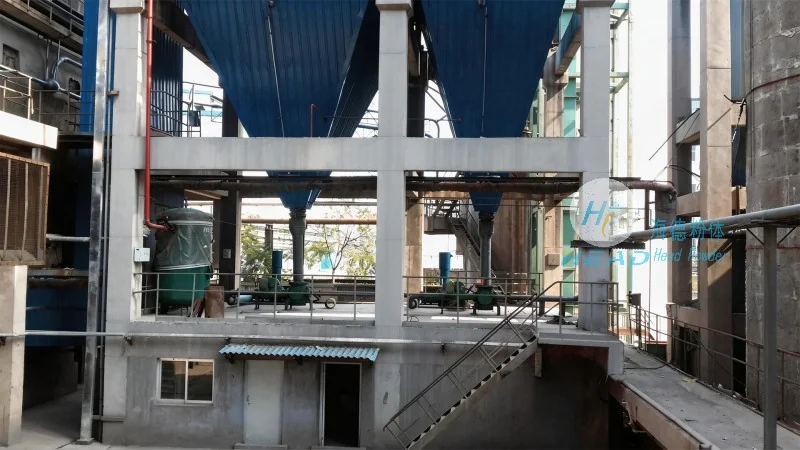
חגורות העברה משמשות באופן נרחב להעברת חומרים גדולים, כולל עץ, למרחקים ארוכים ובכמויות גדולות. מערכות אלו כוללות חגורה רציפה שנעה על גבי גלגלים או אידלרים, כאשר החומר נמצא על חגורה. היתרון העיקרי של חגורות העברה הוא הקיבולה הגבוהה שלהן והיכולת להתמודד עם כמויות גדולות של עץ בצורה יעילה. הן מתאימות גם להעברה אופקית ונטייה קלה, מה שהופך אותן לפורטות לתנאי תעשייתיים שונים. חגורות העברה קלות יותר להתקנה ותחזוקה, עם חגורות וגלגלים ניתנים להחלפה וניתן לתחזק אותם ללא עיכובים גדולים.
עם זאת, לחגורות העברה יש מגבלות שיש להתחשב בהן. הן אינן אידיאליות להעברה אנכית בשל סיכון של החלקה של החומר או צורך בנטייה חדה, מה שיכול להגדיל את השחיקה על החגורה והגלגלים. בנוסף, חגורות העברה נוטות להצטברות של חומר, במיוחד בנקודות העברה, מה שיכול לגרום לזיהום אבק ובעיות סביבתיות. חומר החגורה ומערכת המתיחה הן חשובות; חגורות גומי נפוצות לעץ, אך הן עלולות להידחק עם הזמן כתוצאה מחשיפה ללחות או חומרים כימיים. בדיקות וחלפים תדירים נדרשים כדי להבטיח פעולה בטוחה ויעילה.
בחירת שיטת העברה מתאימה: החלטה אסטרטגית
כאשר בוחרים שיטת העברת חלקיקי עץ, תעשיות צריכות להתחשב במספר גורמים, כולל כמות החומר, המרחק שצריך להעביר, גודל החלקיקים ותכולת הלחות, ומגבלות התקציב. לכל שיטה יש יתרונות וחסרונות, והבחירה האופטימלית תלויה בדרישות הספציפיות של היישום. לדוגמה, משוטים להעברה הם אידיאליים להעברה אופקית של עץ יבש בעסקים קטנים עד בינוניים, בעוד שהעברה אווירית מתאימה יותר להעברה מהירה ולמרחקים ארוכים של חומרים מגוונים. חגורות העברה מצטיינות בהעברת חומרים גדולים למרחקים ארוכים, אך אינן מתאימות ליישומים אנכיים או לעץ רטוב.
חברת Shandong HeadPowder Engineering Co., Ltd. מבינה את המורכבויות הללו ומציעה פתרונות מקיפים שמותאמים לצרכי כל לקוח. עם שנים של ניסיון בתחום, צוות המומחים שלנו מציע מערכות העברה מותאמות אישית שמקסמות את היעילות, מפחיתות עיכובים ומבטיחות עמידה בתקנים הביטחוניים והסביבתיים. בין אם אתם זקוקים למשוט להעברה, למערכת העברה אווירית או לחגורת העברה, אנו עיצבים ומייצרים ציוד שעומד בסטנדרטים הגבוהים ביותר של ביצועיות ועמידות. המחויבות שלנו לאיכות ולסיפוק הלקוחות הפכה אותנו לשותף אמין לעסקים בכל סין ומחוץ לה.
【标题】
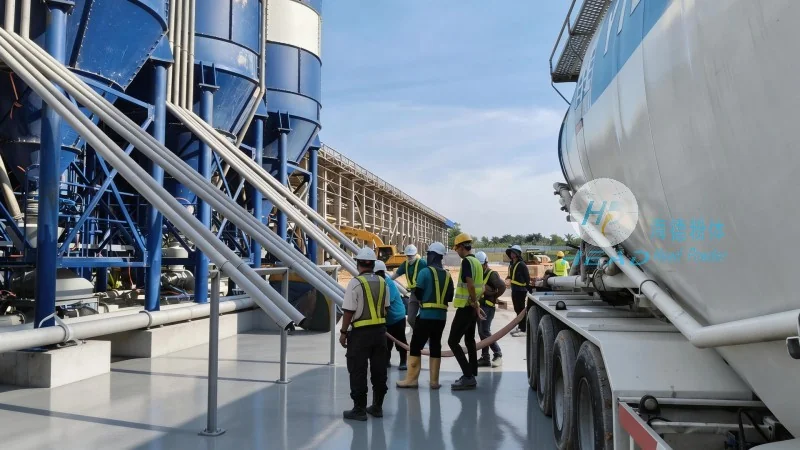
Comparing Common Sawdust Particle Conveying Methods: Advantages and Disadvantages
【正文】
For industrial applications involving sawdust particles, selecting the right conveying method is crucial for efficiency, cost-effectiveness, and operational safety. As a leading provider in the field, Shandong HeadPowder Engineering Co., Ltd. specializes in delivering tailored solutions that address the unique challenges of sawdust handling. This article provides a detailed comparison of common sawdust particle conveying methods, highlighting their advantages and disadvantages to help industries make informed decisions.
Screw Conveyors: The Traditional Choice for Horizontal and Slight Inclined Transport
Screw conveyors, also known as auger conveyors, are a classic solution for moving sawdust particles horizontally or over slight inclines. These systems consist of a rotating helical screw inside a trough, which pulls material forward as it rotates. The primary advantage of screw conveyors is their simplicity and reliability. They require minimal maintenance, are compact, and can handle a wide range of particle sizes and moisture content. Additionally, they are relatively low-cost to install and operate, making them an attractive option for small to medium-sized operations.
However, screw conveyors have several limitations. They are not suitable for vertical transport due to the risk of material buildup and the need for high torque at the drive end. For vertical applications, the mechanical stress on the screw and bearings can be excessive, leading to premature wear. Moreover, screw conveyors are prone to clogging, especially with fibrous or sticky sawdust, which can cause operational interruptions and require frequent cleaning. The material of the trough and screw also plays a critical role; stainless steel or corrosion-resistant materials are recommended for handling moisture-rich sawdust to prevent degradation.
Pneumatic Conveying: High-Speed and Flexible for Diverse Applications
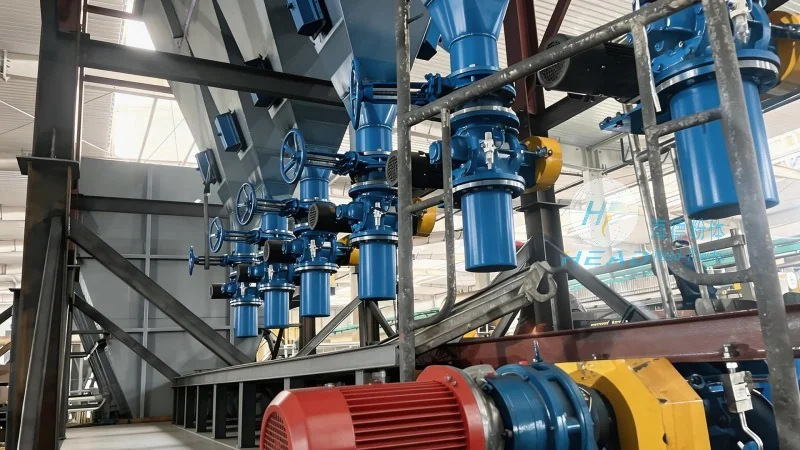
Pneumatic conveying systems use air or other gases to transport sawdust particles through a pipeline. This method offers high speed and flexibility, as it can move material over long distances and even vertically. There are two main types: pressure and vacuum systems. Pressure systems push material with compressed air, while vacuum systems pull it using a vacuum pump. The key advantage of pneumatic conveying is its ability to handle both fine and coarse particles, as well as wet or dry sawdust, without the need for additional equipment like buckets or belts.
However, pneumatic conveying has significant drawbacks. The most notable is the high energy consumption, as it requires substantial air pressure or vacuum to move material. This increases operational costs, especially for large-scale operations. Additionally, the system is susceptible to blockages if the sawdust contains large, irregularly shaped particles or excessive moisture, which can lead to system failures and costly repairs. The material of the pipeline also matters; stainless steel or plastic is recommended to prevent corrosion and wear, but these materials can be more expensive than alternatives like carbon steel.
Belt Conveyors: Efficient for Bulk and Long-Distance Transport
Belt conveyors are widely used for transporting bulk materials, including sawdust, over long distances and at high capacities. These systems consist of a continuous belt that moves over rollers or idlers, with the material placed on top of the belt. The primary advantage of belt conveyors is their high capacity and ability to handle large volumes of sawdust efficiently. They are also suitable for both horizontal and slight inclined transport, making them versatile for various industrial settings. Belt conveyors are relatively easy to install and maintain, with replaceable belts and rollers that can be serviced without major downtime.
Nevertheless, belt conveyors have limitations that must be considered. They are not ideal for vertical transport due to the risk of material slipping or the need for steep inclines, which can increase wear on the belt and rollers. Additionally, belt conveyors are prone to material spillage, especially at transfer points, which can lead to dust contamination and environmental issues. The belt material and tensioning system are critical; rubber belts are common for sawdust, but they may degrade over time with exposure to moisture or chemicals. Regular inspection and replacement are necessary to ensure safe and efficient operation.
Choosing the Right Conveying Method: A Strategic Decision
When selecting a sawdust particle conveying method, industries must consider several factors, including the volume of material, distance to be transported, particle size and moisture content, and budget constraints. Each method has its strengths and weaknesses, and the optimal choice depends on the specific application requirements. For example, screw conveyors are ideal for horizontal transport of dry sawdust in small to medium operations, while pneumatic conveying is better suited for high-speed, long-distance transport of diverse materials. Belt conveyors excel in bulk handling over long distances but may not be suitable for vertical or wet sawdust applications.
Shandong HeadPowder Engineering Co., Ltd. understands these complexities and offers comprehensive solutions tailored to each client's needs. With years of experience in the industry, our team of experts provides customized conveying systems that maximize efficiency, minimize downtime, and ensure compliance with safety and environmental regulations. Whether you need a screw conveyor, pneumatic system, or belt conveyor, we design and manufacture equipment that meets the highest standards of performance and durability. Our commitment to quality and customer satisfaction has made us a trusted partner for businesses across China and beyond.