

[Coke Powder Pneumatic Conveying: An Efficient and Environmentally Friendly Material Handling Soluti
Efficient and environmentally friendly material handling is a critical concern for industries dealing with bulk materials, particularly in the steel and chemical sectors. Among these materials, coke powder is a key component used in various production processes. The traditional methods of transporting coke powder, such as belt conveyors or manual handling, often present challenges related to dust generation, material loss, and operational inefficiencies. To address these issues, modern industrial solutions like pneumatic conveying have emerged as a superior alternative. This article explores the benefits, applications, and technical aspects of coke powder pneumatic conveying, highlighting how it offers a sustainable and high-performance approach to material transport.

About HeadPowder: Leading Experts in Material Handling Solutions
HeadPowder, or Shandong HeadPowder Engineering Co., Ltd., is a reputable company based in Shandong, China, specializing in the design, manufacturing, and implementation of advanced material handling systems. With a strong commitment to innovation and customer satisfaction, HeadPowder has established itself as a trusted partner for industries seeking reliable and efficient solutions for bulk material transport. The company’s expertise lies in customizing pneumatic conveying systems tailored to the specific needs of clients, ensuring optimal performance and minimal environmental impact.
Key Features of Coke Powder Pneumatic Conveying Systems
The coke powder pneumatic conveying systems offered by HeadPowder are engineered to deliver exceptional performance while adhering to environmental standards. These systems utilize air as the primary medium to transport coke powder from one location to another, eliminating the need for mechanical components that may cause wear and tear or material degradation. The key features include: high conveying efficiency, which ensures rapid and consistent material transfer; low energy consumption, contributing to cost savings and reduced operational expenses; and minimal dust generation, which enhances workplace safety and compliance with environmental regulations. Additionally, the systems are designed for easy maintenance and scalability, allowing for seamless integration into existing production lines or expansion as business needs evolve.
Applications in Industrial Settings
Coke powder pneumatic conveying systems find wide applications across various industrial sectors. In the steel industry, these systems are crucial for transporting coke powder from storage silos to blast furnaces, ensuring a steady supply of raw materials for steel production. The chemical industry also benefits from these systems when handling coke powder in processes such as carbonization or chemical reactions. Furthermore, in the cement and construction sectors, coke powder is used as a fuel additive, and pneumatic conveying systems facilitate its efficient delivery to mixing plants. The versatility of these systems makes them suitable for a range of applications, from small-scale operations to large-scale industrial facilities.
Technical Advantages and Environmental Benefits
Compared to traditional transport methods, coke powder pneumatic conveying systems offer several technical advantages. The use of air as a conveying medium allows for the transport of materials over long distances with minimal energy input. This results in significant reductions in operational costs and carbon emissions, aligning with global sustainability goals. The systems also provide better control over material flow, preventing blockages and ensuring consistent delivery rates. From an environmental perspective, pneumatic conveying minimizes dust exposure, reducing the risk of respiratory issues for workers and preventing soil and water contamination. Moreover, the enclosed system design helps in maintaining hygiene standards, which is particularly important in food and pharmaceutical industries where coke powder may be used as a raw material.
Components and Operation of Pneumatic Conveying Systems
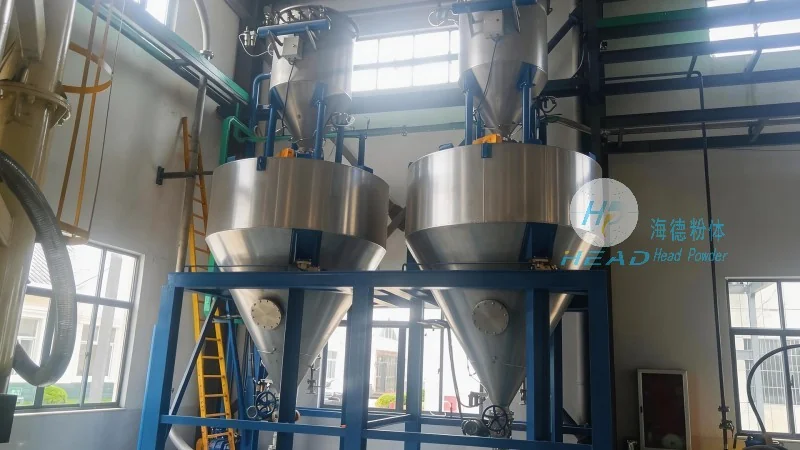
A typical coke powder pneumatic conveying system consists of several key components, each playing a vital role in the overall operation. The main components include a hopper for material storage, a feeder to control the flow of coke powder, a compressor to generate the necessary air pressure, a pipeline system for material transport, and a receiver for the material at the destination. The operation begins with the coke powder being fed into the hopper, where it is then transferred to the feeder. The feeder regulates the amount of material released into the pipeline, ensuring a consistent flow. The compressor then generates compressed air, which is introduced into the pipeline, creating a flow that carries the coke powder particles through the system. The material is transported to the receiver, where it is collected and made available for further processing. The system may also include additional components such as filters to remove dust from the air and check valves to prevent backflow, enhancing the overall efficiency and reliability of the operation.
Customization and Integration Services
HeadPowder understands that each industrial application has unique requirements. Therefore, the company offers comprehensive customization and integration services to ensure that the coke powder pneumatic conveying system meets the specific needs of the client. The design process involves detailed analysis of the material characteristics, such as particle size, density, and moisture content, as well as the operational parameters like distance, flow rate, and ambient conditions. Based on this analysis, HeadPowder engineers develop a tailored system that optimizes performance and minimizes costs. The company also provides installation and commissioning services, ensuring that the system is properly set up and operational from the start. Additionally, HeadPowder offers after-sales support, including maintenance and troubleshooting services, to ensure the long-term reliability and efficiency of the system.
Case Studies and Client Testimonials
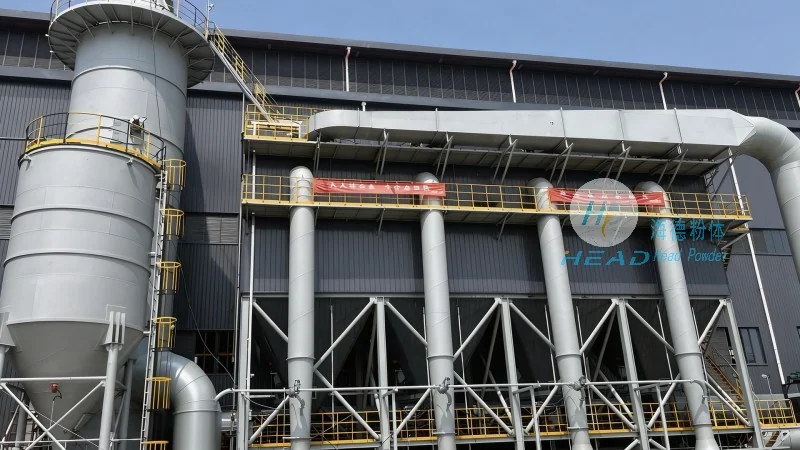
HeadPowder has successfully implemented coke powder pneumatic conveying systems for numerous clients across different industries. For example, a steel manufacturing plant in Shandong, China, adopted a HeadPowder system to transport coke powder from storage silos to blast furnaces. The system improved the conveying efficiency by 30% and reduced dust emissions by 80%, leading to significant cost savings and improved workplace safety. Another client, a chemical company, used the system to transport coke powder in their carbonization process, achieving a 25% reduction in energy consumption and a 50% decrease in material loss. These case studies demonstrate the effectiveness and reliability of HeadPowder’s coke powder pneumatic conveying systems in real-world industrial applications.
Conclusion
Coke powder pneumatic conveying represents a significant advancement in material handling technology, offering industries a sustainable and efficient solution for transporting bulk materials. With its ability to minimize dust generation, reduce energy consumption, and enhance operational efficiency, these systems are becoming increasingly popular in various industrial sectors. HeadPowder, as a leading provider of material handling solutions, continues to innovate and deliver high-quality coke powder pneumatic conveying systems that meet the evolving needs of its clients. By choosing a pneumatic conveying system from HeadPowder, industries can ensure reliable and environmentally friendly material transport, contributing to their long-term success and sustainability.