

אילו שיטות יש לנשיאת סיבי טקסטיל?
Shandong HeadPowder Engineering Co., Ltd., חברה מובילה ממחוז שנדונג בסין, מתמחה במתן פתרונות מתקדמים לנשיאת סיבי טקסטיל. תוך התמקדות בחדשנות וביעילות, החברה פיתחה שיטות שונות כדי להבטיח נשיאה חלקה ויעילה של סיבי טקסטיל בתהליכי תעשייה. מאמר זה דן בשיטות השונות המשמשות לנשיאת סיבי טקסטיל, ומדגיש את הגורמים והטכנולוגיות המרכזיים המעורבים.
הבנת נשיאת סיבי טקסטיל: האתגרים הבסיסיים
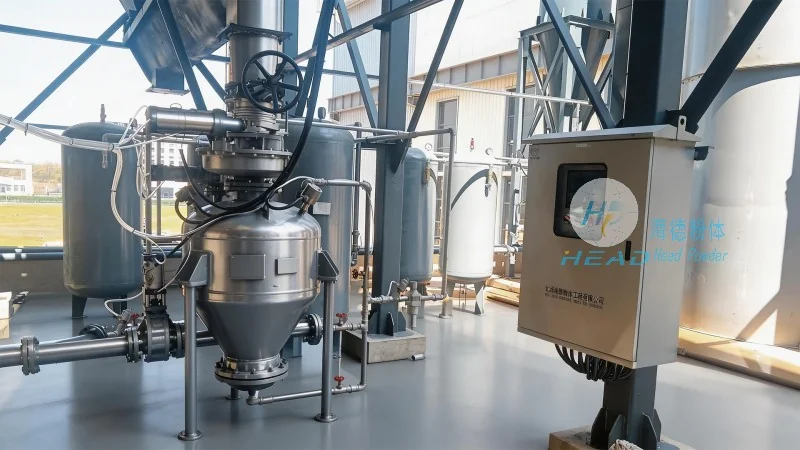
נשיאת סיבי טקסטיל כוללת העברת הסיבים מנקודה אחת לאחרת בתוך מפעל או מתקן עיבוד. האתגרים העיקריים בתהליך זה כוללים שמירה על שלמות הסיבים, מזעור נזק ושמירה על קצב זרימה עקבי. אתגרים אלו חשובים במיוחד בתעשיות כמו ייצור טקסטיל, שבהם איכות הסיבים משפיעה ישירות על המוצר הסופי. Shandong HeadPowder Engineering Co., Ltd. פותר את האתגרים הללו באמצעות ציוד מיוחד ושיטות שנועדו לתכונות ייחודיות של סיבי טקסטיל.
שיטות נפוצות לנשיאת סיבי טקסטיל
יש מספר שיטות מוכרות לנשיאת סיבי טקסטיל, כאשר כל אחת מהן יש לה יתרונות ויישומים משלה. בחירת השיטה תלויה בגורמים כמו סוג הסיבים, גודל הייצור וסביבת הפעולה. להלן כמה מהשיטות הנפוצות ביותר:
מערכות נשיאה מכניות
מערכות נשיאה מכניות משתמשות בחלקים פיזיים כדי להעביר סיבים. סוג נפוץ הוא מערכת סלילית, שמשתמשת בסליל רציף כדי להעביר סיבים באופן אופקי או במורד קל. שיטה זו מתאימה להעברת כמויות גדולות של סיבים ולעתים קרובות משמשת בהפעלות של חומרים בכמויות גדולות. שיטה מכנית אחרת היא מערכת סוקר, שמשתמשת בסוקר מסתובב כדי להעביר סיבים קדימה. מערכות סוקר יעילות במיוחד להעברת חומרים סיביים שעשויים להיות דביקים או בעלי צפיפות שונה. Shandong HeadPowder Engineering Co., Ltd. מציעה פתרונות נשיאה מכניים מותאמים אישית שניתן לשלב במערכות ייצור קיימות, כך שהן מבטיחות פעולה חלקה וביצוע מיטבי.
נשיאה באמצעות אוויר (נשיאה פנאומטית)
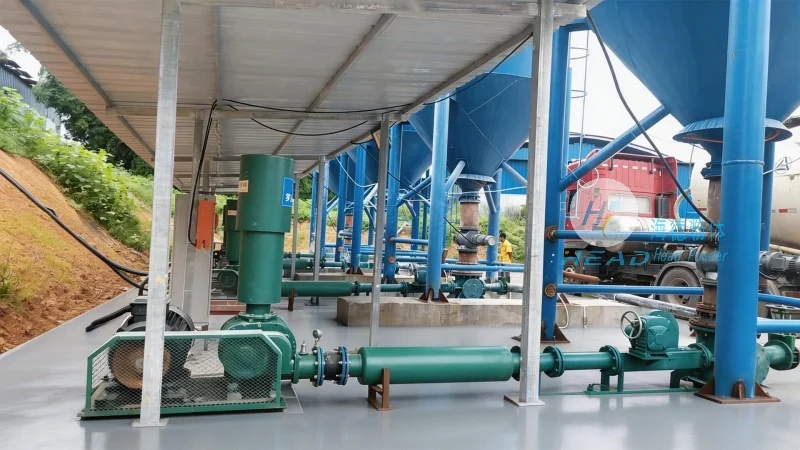
מערכות נשיאה באמצעות אוויר משתמשות בפעלול אוויר כדי להעביר סיבים דרך צינור. שיטה זו יעילה מאוד להעברת סיבים דקים או קלים, ולעתים קרובות מבוצעת בהתאם לצרכים של שליטה באבק ומניעת נזק לסיבים. יש שתי סוגים עיקריים של נשיאה פנאומטית: מערכות לחץ ומערכות ויקום. מערכות לחץ משתמשות באוויר דחוס כדי להעביר סיבים דרך הצינור, בעוד שמערכות ויקום משתמשות בוויקום כדי למשוך סיבים פנימה. הבחירה בין שתי המערכות תלויה במרחק ובכמות הסיבים שצריך להעביר. Shandong HeadPowder Engineering Co., Ltd. מתמחה בעיצוב ויישום מערכות נשיאה פנאומטית שמתאימות לצרכים הספציפיים של יצרני טקסטיל, ומבטיחות נשיאה אמינה וזולה של סיבים.
פתרונות נשיאה היברידיים
במספר תהליכי תעשייה, שילוב של נשיאה מכנית ופנאומטית משמש כדי להשיג את התוצאות הטובות ביותר. מערכות היברידיות עשויות לכלול מערכות סליליות לנשיאה ראשונית ורכיבים פנאומטיים להעברה סופית ליחידות עיבוד. שיטה זו מאפשרת גמישות והתאמה, שכן היא יכולה להתמודד עם סוגים רחבים של סיבים וכמויות. Shandong HeadPowder Engineering Co., Ltd. מציעה פתרונות נשיאה היברידיים מקיפים שמשלבים את היתרונות של שתי השיטות, ומשפרים את יעילות וביצוע המערכת הכוללת.
שיקולים חשובים לנשיאה יעילה של סיבי טקסטיל
בעת יישום מערכות נשיאה של סיבי טקסטיל, יש להתחשב בשיקולים חשובים כדי להבטיח תוצאות מיטביות. ראשית, יש להתחשב בתכונות החומר של הסיבים, כמו אורך, קוטר וגמישות. שיטות נשיאה שונות עשויות להיות מתאימות יותר למאפיינים ספציפיים של סיבים. שנית, גודל הייצור וקצב הזרימה הם גורמים חשובים. פעולות בגודל גדול עשויות לדרוש מערכות יציבות יותר, בעוד שפעולות בגודל קטן יכולות להיות מועילות לפתרונות קומפקטיים יותר. שלישית, עלויות תחזוקה ופעולה הן שיקולים חשובים. מערכות שקלות לתחזוקה ובעלות עלויות פעולה נמוכות הן מועדפות בטווח הארוך. Shandong HeadPowder Engineering Co., Ltd. מציעה ייעוץ מומחה כדי לסייע ללקוחות להעריך שיקולים אלו ולבחור את שיטת הנשיאה המתאימה ביותר לצרכיהם.
סיכום
נשיאת סיבי טקסטיל היא תהליך חשוב בתעשיית הטקסטיל, ובחירת שיטת הנשיאה יכולה להשפיע באופן משמעותי על יעילות הייצור ואיכות המוצר. Shandong HeadPowder Engineering Co., Ltd., עם המומחיות והפתרונות החדשניים שלה, מספקת תמיכה מקיפה לנשיאת סיבי טקסטיל. על ידי הבנת האתגרים הייחודיים והדרישות של ייצור טקסטיל, החברה מסייעת ללקוחות להגדיר מערכות נשיאה יעילות שמשפרות את ביצועי הפעולה ומבטיחות איכות סיבים עקבית. בין אם דרך מערכות מכניות, פנאומטיות או היברידיות, Shandong HeadPowder Engineering Co., Ltd. מחויבת להציע פתרונות נשיאה אמינים ויעילים ללקוחותיה בשנדונג, סין ומחוץ לה.
【标题】
What Are the Methods for Textile Fiber Conveying?
【正文】
Shandong HeadPowder Engineering Co., Ltd., a leading enterprise based in Shandong, China, specializes in providing advanced solutions for textile fiber conveying. With a focus on innovation and efficiency, the company has developed various methods to ensure the smooth and effective transport of textile fibers in industrial settings. This article explores the different approaches used for textile fiber conveying, highlighting the key factors and technologies involved.
Understanding Textile Fiber Conveying: The Core Challenges
Textile fiber conveying involves the movement of fibers from one point to another within a manufacturing or processing facility. The primary challenges in this process include maintaining fiber integrity, minimizing damage, and ensuring consistent flow rates. These challenges are particularly critical in industries such as textile manufacturing, where the quality of fibers directly impacts the final product. Shandong HeadPowder Engineering Co., Ltd. addresses these challenges through specialized equipment and methodologies tailored to the unique properties of textile fibers.
Common Methods for Textile Fiber Conveying
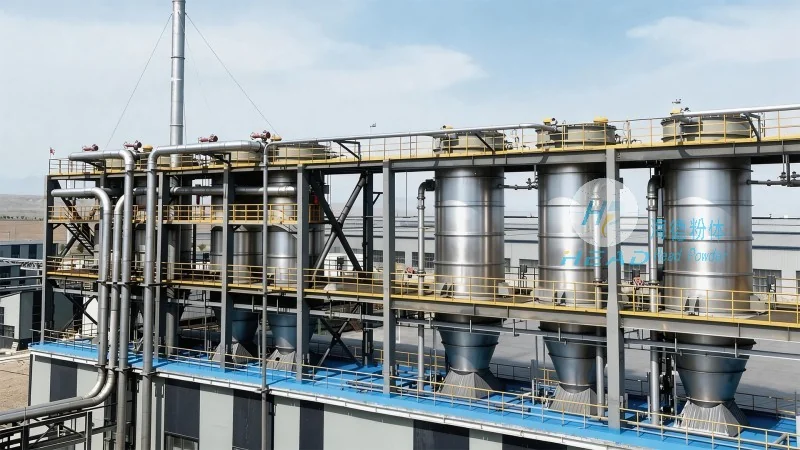
There are several established methods for conveying textile fibers, each with its own advantages and applications. The choice of method depends on factors like fiber type, production scale, and operational environment. Below are some of the most widely used approaches:
Mechanical Conveying Systems
Mechanical conveying systems utilize physical components to move fibers. One common type is the belt conveyor, which uses a continuous belt to transport fibers horizontally or at a slight incline. This method is ideal for transporting larger quantities of fibers and is often used in bulk handling applications. Another mechanical approach is the screw conveyor, which employs a rotating screw to push fibers forward. Screw conveyors are particularly effective for handling fibrous materials that may be sticky or have varying densities. Shandong HeadPowder Engineering Co., Ltd. offers customized mechanical conveying solutions that can be integrated into existing production lines, ensuring seamless operation and optimal performance.
Air-Driven Conveying (Pneumatic Conveying)
Air-driven or pneumatic conveying systems use air pressure to transport fibers through a pipeline. This method is highly efficient for handling fine or lightweight fibers and is often preferred in applications where dust control and minimal fiber damage are essential. There are two main types of pneumatic conveying: pressure and vacuum systems. Pressure systems use compressed air to push fibers through the pipeline, while vacuum systems use a vacuum to draw fibers in. The choice between these systems depends on the distance and volume of fiber to be transported. Shandong HeadPowder Engineering Co., Ltd. specializes in designing and implementing pneumatic conveying systems that meet the specific needs of textile manufacturers, ensuring reliable and cost-effective fiber transport.
Hybrid Conveying Solutions
In many industrial settings, a combination of mechanical and pneumatic conveying is used to achieve the best results. Hybrid systems may incorporate belt conveyors for initial transport and pneumatic components for final delivery to processing units. This approach allows for flexibility and adaptability, as it can handle a wide range of fiber types and volumes. Shandong HeadPowder Engineering Co., Ltd. provides comprehensive hybrid conveying solutions that integrate the strengths of both mechanical and pneumatic methods, optimizing overall system efficiency and performance.
Key Considerations for Effective Textile Fiber Conveying
When implementing textile fiber conveying systems, several key considerations must be taken into account to ensure optimal results. First, the material properties of the fibers, such as their length, diameter, and flexibility, must be considered. Different conveying methods may be more suitable for specific fiber characteristics. Second, the scale of production and the required flow rate are critical factors. Larger-scale operations may require more robust systems, while smaller operations may benefit from more compact solutions. Third, maintenance and operational costs are important considerations. Systems that are easy to maintain and have low operational costs are preferred in the long run. Shandong HeadPowder Engineering Co., Ltd. offers expert consultation to help clients evaluate these factors and select the most appropriate conveying method for their specific needs.
Conclusion
Textile fiber conveying is a critical process in the textile industry, and the choice of conveying method can significantly impact production efficiency and product quality. Shandong HeadPowder Engineering Co., Ltd., with its expertise and innovative solutions, provides comprehensive support for textile fiber conveying. By understanding the unique challenges and requirements of textile manufacturing, the company helps clients implement effective conveying systems that enhance operational performance and ensure consistent fiber quality. Whether through mechanical, pneumatic, or hybrid systems, Shandong HeadPowder Engineering Co., Ltd. is committed to delivering reliable and efficient textile fiber conveying solutions for its clients in Shandong, China, and beyond.