

[Coffee Bean Conveyance Common Methods]
For coffee processing facilities, efficient and reliable coffee bean conveyance is crucial to streamline production and maintain product quality. As a leading manufacturer in the industry, Shandong HeadPowder Engineering Co., Ltd. (HeadPowder), located in Shandong, China, specializes in providing advanced solutions tailored to the unique needs of coffee bean handling. This article explores the common methods used for coffee bean conveyance, highlighting the key technologies and applications that enhance operational efficiency.
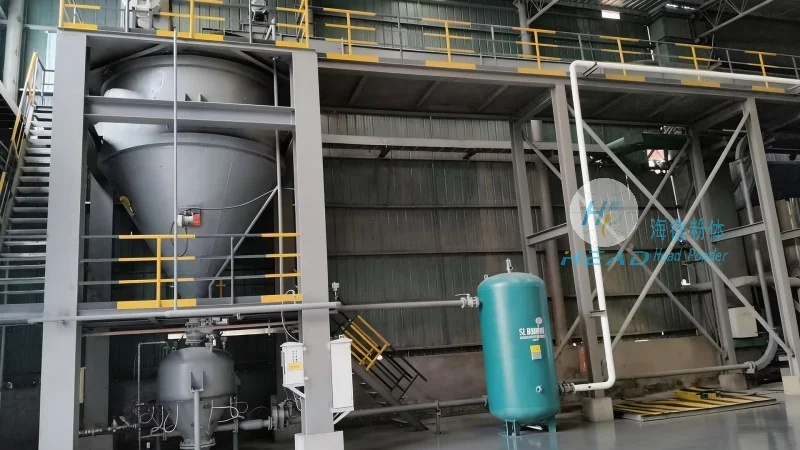
Introduction to Coffee Bean Conveyance Systems
Efficient coffee bean conveyance is a critical component of modern coffee processing operations. The goal is to move raw coffee beans from storage areas to processing units, such as roasters, without compromising quality or increasing the risk of damage. Various methods have been developed to address these challenges, each with its own advantages and applications. Understanding these common conveyance methods helps coffee producers select the most suitable equipment for their specific requirements.
1. Belt Conveyors for Coffee Bean Transport
One of the most widely used methods for coffee bean conveyance is the belt conveyor. This system consists of a continuous loop of material (usually rubber or PVC) that moves over rollers or pulleys. Coffee beans are placed on the belt and transported horizontally or at a slight incline. Belt conveyors are ideal for long-distance transport and can handle large volumes of beans with minimal maintenance. The smooth surface of the belt prevents damage to the beans, making it suitable for delicate coffee varieties. HeadPowder's belt conveyor systems are designed with durable materials and adjustable speed controls to ensure optimal performance in coffee processing plants.
2. Screw Conveyors for Vertical and Horizontal Transport
Screw conveyors, also known as auger conveyors, are another common method for coffee bean transport. These systems use a rotating screw (auger) inside a cylindrical tube to move beans. Screw conveyors are versatile and can be used for both horizontal and vertical transport, making them suitable for elevating beans to higher levels or moving them horizontally across the facility. They are particularly effective for handling dry, free-flowing materials like coffee beans. HeadPowder's screw conveyor solutions feature high-quality stainless steel construction, ensuring hygiene and durability in food processing environments. The design minimizes product degradation and allows for easy cleaning, which is essential for maintaining compliance with food safety regulations.
3. Pneumatic Conveying Systems for Bulk Handling
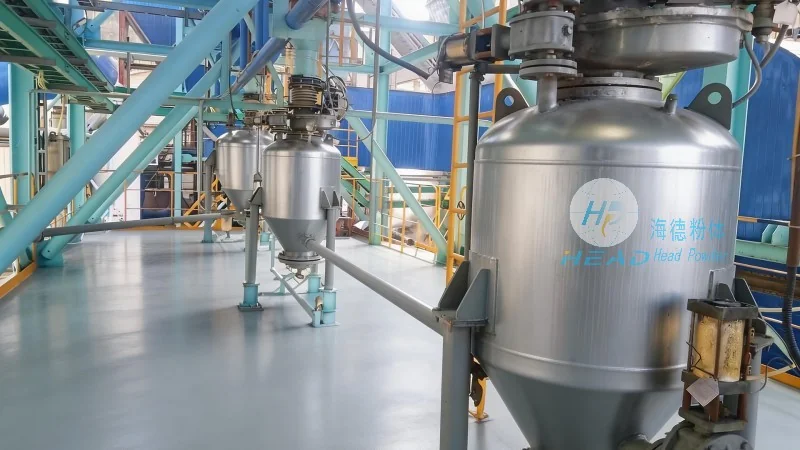
Pneumatic conveying systems use air pressure to transport coffee beans through a network of pipes. This method is ideal for moving large quantities of beans over long distances without the need for multiple transfer points. There are two main types of pneumatic conveyors: pressure and vacuum systems. Pressure systems use compressed air to push beans forward, while vacuum systems use suction to draw beans into the system. Pneumatic conveyors are efficient for high-volume operations and can be integrated with other processing equipment. HeadPowder's pneumatic conveying solutions are engineered for low maintenance and high reliability, ensuring consistent performance in coffee bean handling. The systems are designed to minimize product contamination and energy consumption, making them a cost-effective choice for large-scale coffee processing facilities.
4. Vibrating Conveyors for Gentle Handling
Vibrating conveyors use vibrations to move coffee beans along a trough. This method is particularly suitable for delicate or fragile coffee beans that require gentle handling to prevent bruising or damage. The conveyor consists of a trough with a vibrating mechanism that causes the beans to move forward. Vibrating conveyors are often used in combination with other equipment, such as sorting or grading machines, to ensure smooth material flow. HeadPowder's vibrating conveyor systems are designed with adjustable vibration frequencies and amplitudes, allowing operators to customize the transport speed based on the specific characteristics of the coffee beans. This flexibility ensures optimal handling of different bean types, from light to dark roasts.
5. Bucket Elevators for Vertical Transport
Bucket elevators are a specialized type of conveyor used primarily for vertical transport of coffee beans. These systems consist of a vertical or inclined tube with a chain or belt that carries buckets attached to it. As the buckets move up the tube, they fill with coffee beans and then discharge them at the top. Bucket elevators are highly efficient for moving beans from lower to higher levels in the processing plant. They are capable of handling large volumes and can be integrated with other conveyor systems to form a complete material handling solution. HeadPowder's bucket elevator designs prioritize durability and low maintenance, ensuring reliable operation in demanding coffee processing environments. The systems are constructed from food-grade materials to meet hygiene standards and are equipped with safety features to prevent accidents during operation.
6. Combination Conveyance Systems for Integrated Operations
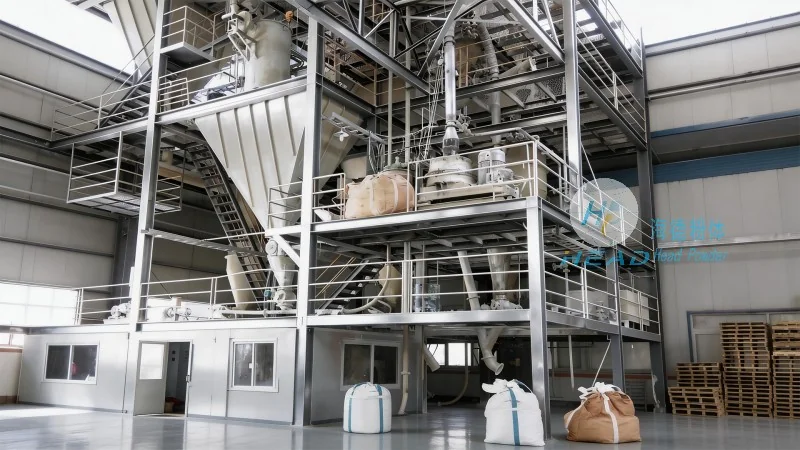
In many coffee processing facilities, a single conveyance method may not be sufficient to meet all operational needs. As a result, combination systems are often used, integrating multiple types of conveyors to create a seamless material flow. For example, a facility might use a belt conveyor to transport beans from storage to a processing line, followed by a screw conveyor to elevate them to a roasting unit, and then a pneumatic system to move the roasted beans to packaging. HeadPowder specializes in designing and manufacturing integrated conveyance systems that optimize workflow and reduce downtime. These systems are tailored to the specific layout and production capacity of each client, ensuring maximum efficiency and cost savings. By combining different technologies, coffee producers can achieve a more streamlined operation, minimizing the need for manual handling and reducing the risk of product loss or damage.
Conclusion: Choosing the Right Coffee Bean Conveyance Method
Selecting the appropriate coffee bean conveyance method is a critical decision for any coffee processing facility. The choice depends on factors such as the volume of beans to be handled, the distance between processing stages, the need for gentle handling, and the available space. Shandong HeadPowder Engineering Co., Ltd. offers a range of conveyance solutions, including belt, screw, pneumatic, vibrating, and bucket elevators, as well as customized combination systems. With over [years] of experience in the industry, HeadPowder understands the unique challenges faced by coffee producers and provides tailored solutions that enhance operational efficiency and product quality. By investing in reliable coffee bean conveyance systems from HeadPowder, coffee processing facilities can improve their productivity, reduce costs, and maintain the high standards required in the competitive coffee market.