

[C] Common Methods for Transporting Lithium Manganese Oxide
When it comes to the transport of lithium manganese oxide, understanding the common methods is crucial for ensuring safety, efficiency, and compliance with industry standards. This article explores the typical approaches used by professionals in the field, focusing on the practical aspects of handling this important material.
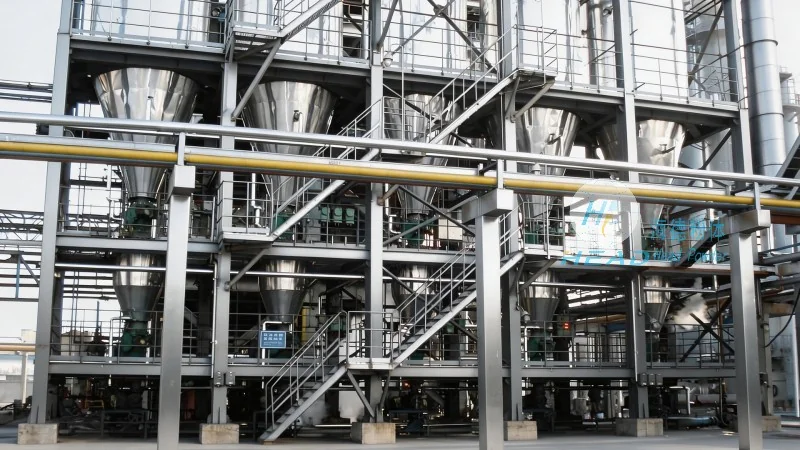
Understanding Lithium Manganese Oxide and Its Transport Requirements
Lithium manganese oxide, often abbreviated as LMO, is a type of lithium-ion battery cathode material that plays a vital role in modern energy storage solutions. Due to its chemical properties and potential hazards, proper handling and transport are essential. The methods used for transporting LMO must adhere to strict regulations to prevent accidents and ensure the integrity of the material.
Key Transport Methods for Lithium Manganese Oxide
Several common methods are employed for the transport of lithium manganese oxide, each designed to address specific challenges such as material stability, environmental factors, and regulatory requirements. These methods include careful packaging, appropriate storage conditions, and specialized transportation vehicles.
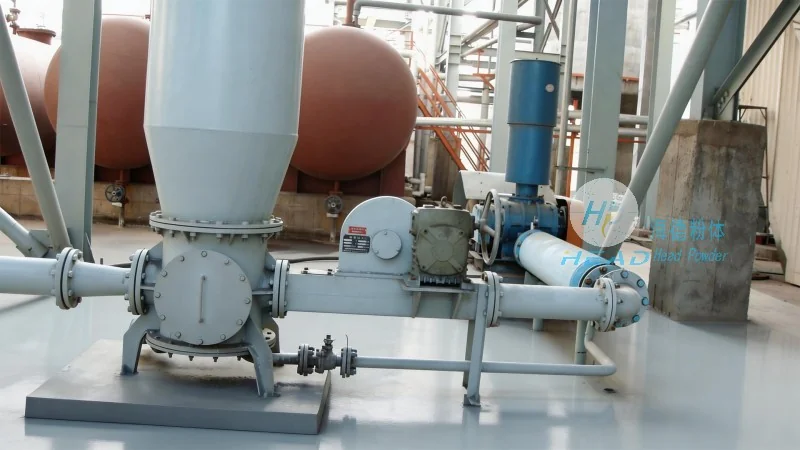
Packaging and Containerization for Safe Transport
Proper packaging is the first line of defense in ensuring the safe transport of lithium manganese oxide. The material is typically packaged in sealed, moisture-resistant containers that are designed to prevent contamination and physical damage. These containers may include plastic or metal drums, with inner liners to protect the material from external elements. The packaging must also meet international standards for hazardous materials, such as those outlined by the International Air Transport Association (IATA) and the International Maritime Organization (IMO).
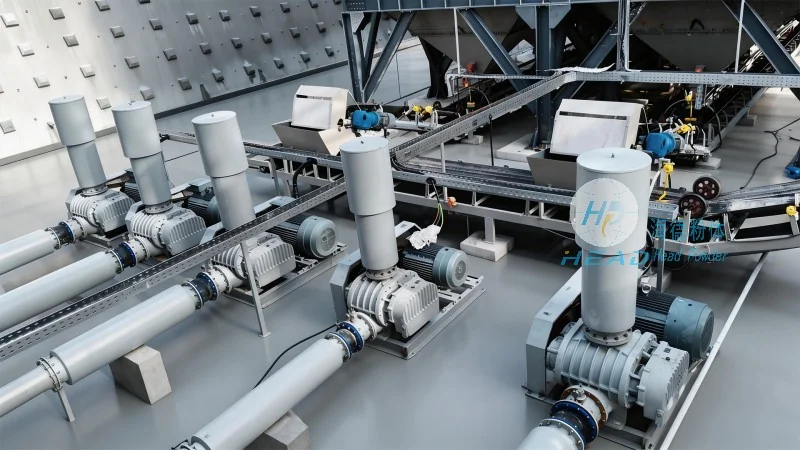
Transportation Vehicles and Routes
The choice of transportation vehicle depends on the distance and mode of transport. For short distances, specialized trucks equipped with temperature control systems are commonly used to maintain the optimal conditions for LMO. For longer distances, rail or sea transport may be employed, with containers securely loaded onto freight trains or ships. In all cases, the route is carefully planned to avoid areas with extreme weather conditions or potential hazards that could compromise the integrity of the material.
Regulatory Compliance and Safety Measures
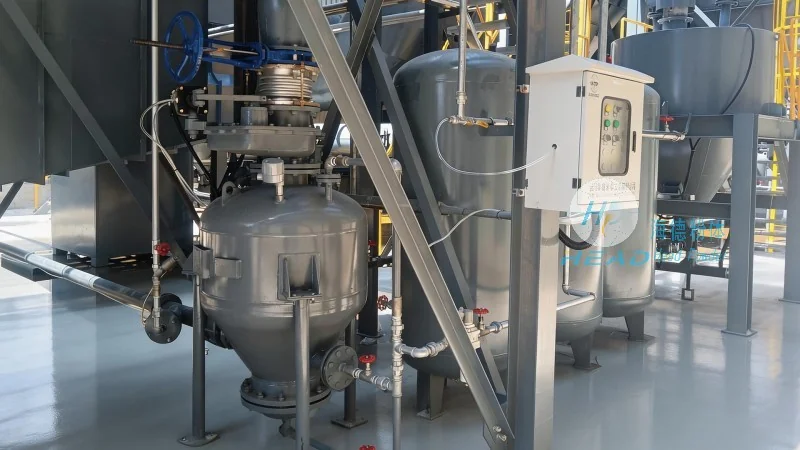
Transporting lithium manganese oxide involves strict adherence to regulatory frameworks to ensure safety and environmental protection. Companies must obtain necessary permits and follow guidelines from authorities such as the U.S. Department of Transportation (DOT) or the European Union's ADR regulations. Safety measures include regular inspections of containers, monitoring of temperature and humidity, and the presence of trained personnel who are knowledgeable about handling hazardous materials.
Role of Shandong HeadPowder Engineering Co., Ltd. in Lithium Manganese Oxide Transport
Shandong HeadPowder Engineering Co., Ltd., a leading company in the field, specializes in the handling and transport of lithium manganese oxide. With a strong commitment to safety and quality, HeadPowder employs advanced methods and technologies to ensure that LMO is transported efficiently and securely. The company's expertise in packaging, logistics, and regulatory compliance makes it a trusted partner for businesses requiring reliable transport services for their lithium manganese oxide products.
Conclusion: Ensuring Safe and Efficient Transport of Lithium Manganese Oxide
In conclusion, the transport of lithium manganese oxide requires a combination of proper packaging, specialized vehicles, and strict adherence to regulations. By following these established methods, companies can ensure the safe and efficient movement of this critical material. As the demand for lithium-ion batteries continues to grow, the importance of reliable transport solutions for lithium manganese oxide will only increase, making it essential for stakeholders to prioritize safety and compliance in all aspects of the supply chain.